Tooth pain rarely appears without a reason, and when discomfort begins lingering for days or suddenly becomes intense, it often signals a deeper problem developing beneath the surface. What starts as untreated decay, a cracked tooth, or bacterial buildup can gradually reach the inner layers of the tooth, where infection begins to spread toward the sensitive nerve tissue. This is exactly why many patients visit a trusted local dentist in Las Vegas when unexplained tooth pain begins to interfere with everyday comfort, eating, or even sleeping.
One of the most effective treatments for preventing severe dental infections from becoming far more serious is root canal therapy, a procedure designed to save the natural tooth while preventing the infection from spreading deeper into surrounding tissues.
What Causes Serious Tooth Infections to Develop?
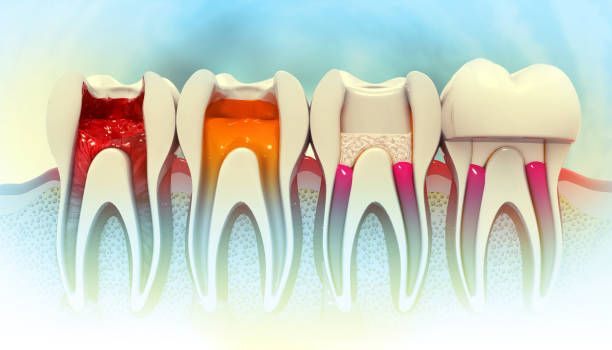
A healthy tooth contains several protective layers. The outer enamel protects the tooth from everyday wear, while the dentin underneath provides structural support. At the center of the tooth lies the pulp chamber, which contains nerves, blood vessels, and connective tissue.
When deep decay, trauma, cracks, or untreated cavities allow bacteria to enter this inner chamber, infection can begin developing inside the tooth itself. Patients researching root canal therapy in Las Vegas often begin exploring treatment after experiencing symptoms that suggest infection has already reached these deeper internal structures. Without treatment, the infection may continue worsening over time.
What Symptoms Usually Indicate a Deep Tooth Infection?
Not every infection begins with severe pain immediately. Early warning signs often include prolonged tooth sensitivity, discomfort while chewing, swelling around the gums, persistent throbbing pain, or unusual sensitivity to hot and cold temperatures. As infection progresses, pain may intensify and surrounding tissue can begin reacting to bacterial spread.
An experienced dentist in Las Vegas can identify whether the infection remains confined to the tooth or has started affecting nearby tissues that require immediate treatment. Early diagnosis often prevents significantly larger complications later.
How Does Root Canal Therapy Stop the Infection?
Root canal treatment focuses on removing infected tissue located inside the pulp chamber. During the procedure, the dentist carefully cleans the infected internal canals, removes damaged tissue, disinfects the inner tooth structure, and seals the space to prevent bacteria from returning.
By eliminating the infected pulp, the procedure stops bacteria from continuing deeper into surrounding tissue. Most importantly, treatment preserves the natural tooth rather than requiring extraction in many situations. This allows patients to maintain normal chewing function while avoiding additional restorative treatment whenever possible.
Why Is Early Treatment So Important?
Dental infections rarely remain isolated for long. If infection continues spreading, surrounding bone, gum tissue, and neighboring structures may eventually become affected. In advanced cases, untreated infections can lead to abscess formation, severe swelling, and significant pain that requires more complex emergency treatment. Addressing the problem early greatly reduces the risk of serious complications developing. Waiting too long often makes treatment more difficult and recovery more complicated.
Can Root Canal Therapy Save the Natural Tooth Long Term?
In many cases, yes. When performed early and followed by proper restoration afterward, root canal therapy allows patients to preserve their natural tooth structure for many years. Long-term success depends on proper oral hygiene, regular dental visits, and addressing future problems quickly if symptoms ever return.
Conclusion: Why Does Early Treatment Matter So Much?
Tooth infections can progress quietly before suddenly becoming painful emergencies that affect far more than a single tooth. For patients considering root canal therapy in Las Vegas, early treatment often provides the ideal opportunity to stop infection before serious complications develop. Acting quickly helps preserve natural teeth, reduce discomfort, and protect long-term oral health before the infection spreads further.